
How to measure for blinds
Choose how your blind will fit, then measure with a steel tape in millimetres. Enter the width first (left to right), then the drop (top to bottom).
Inside mount or outside mount?
An inside mount sits within the window frame. An outside mount sits on the wall around the opening.
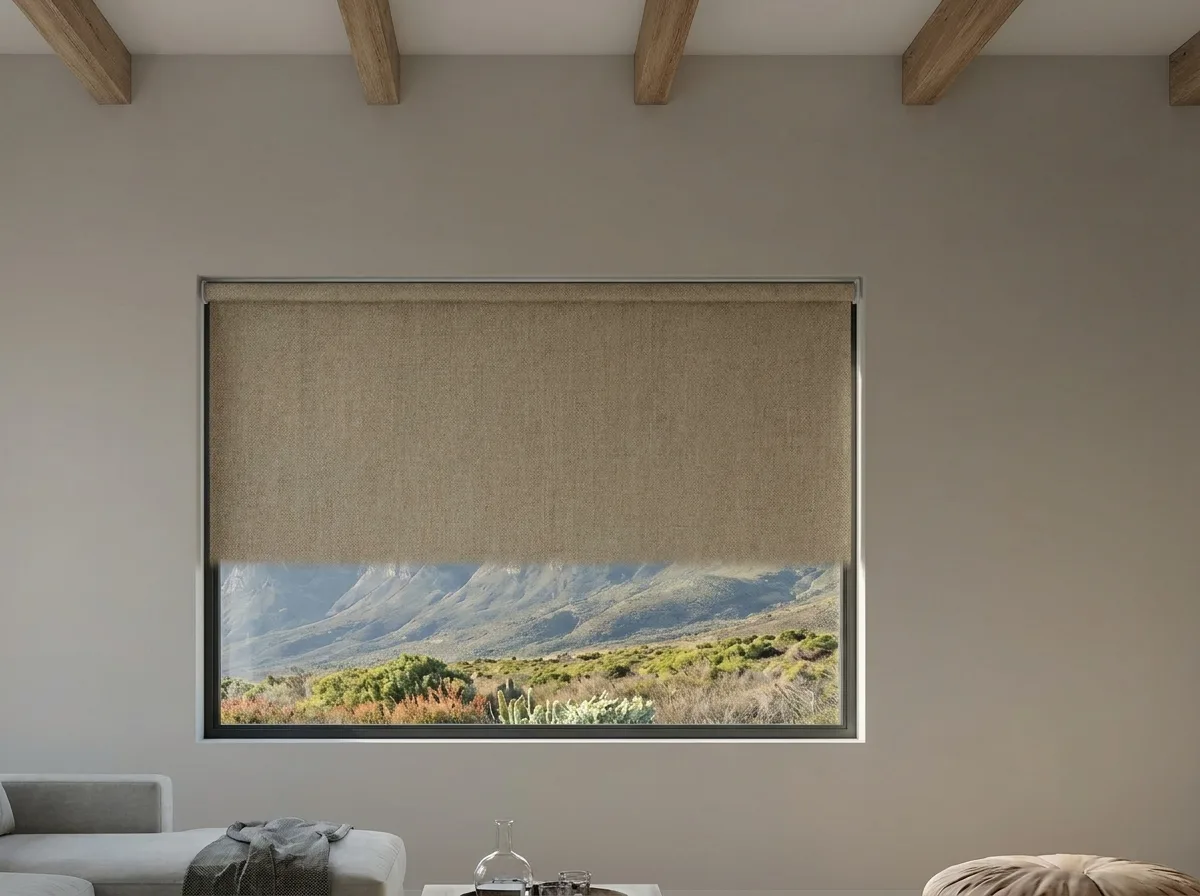
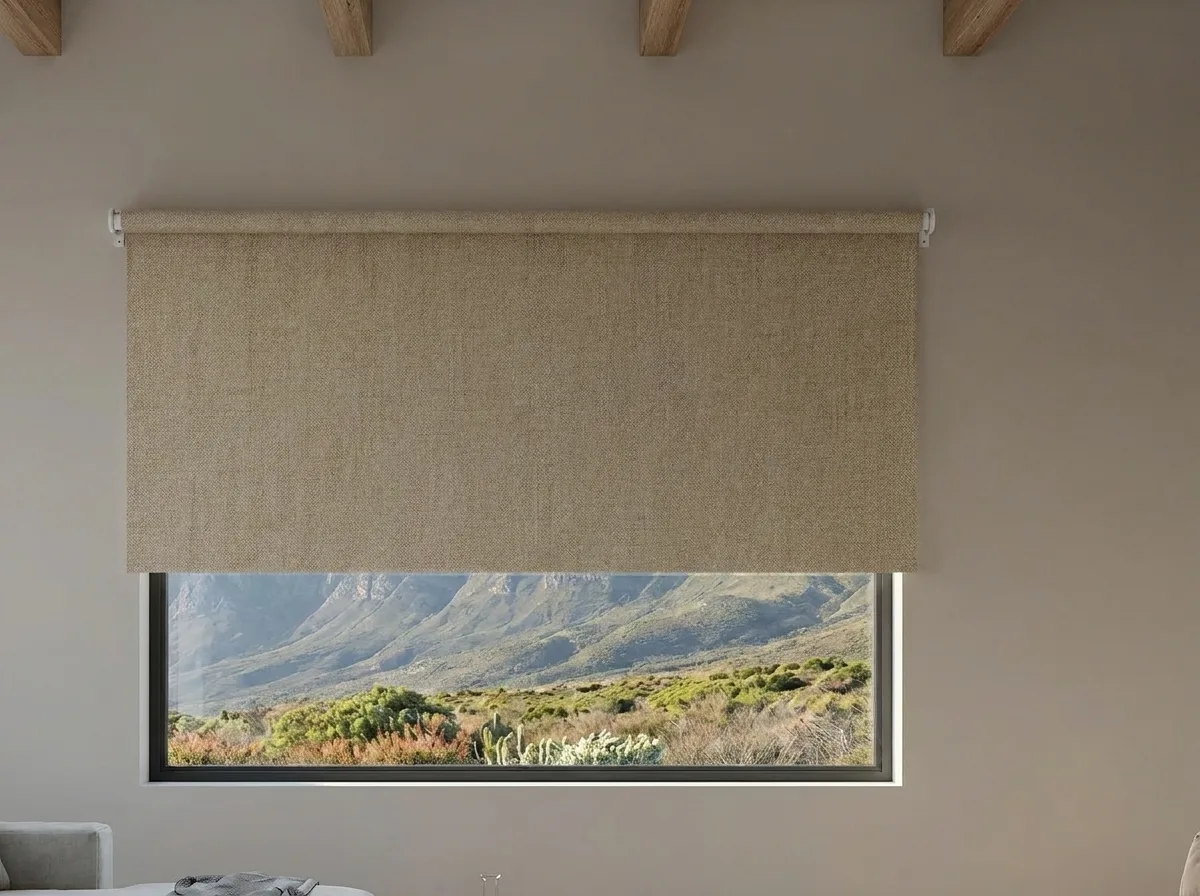
Inside mount: measure inside the window frame
Check the recess depth first. A Roller Blind needs 50 to 70 mm, a Duo Roller 115 mm and a Zebra Blind 80 mm. A No-Drill Roller needs a 50 mm reveal.
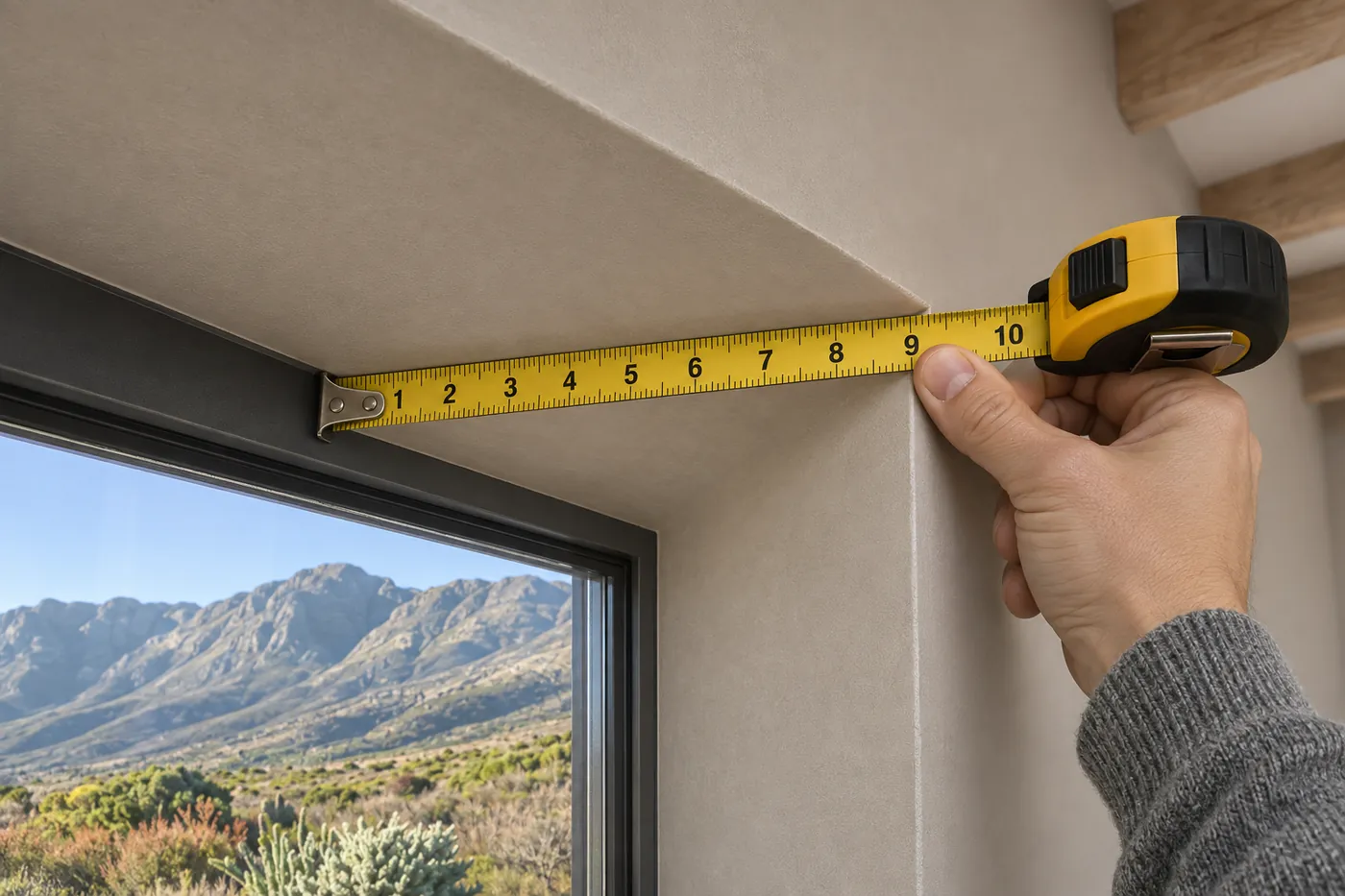
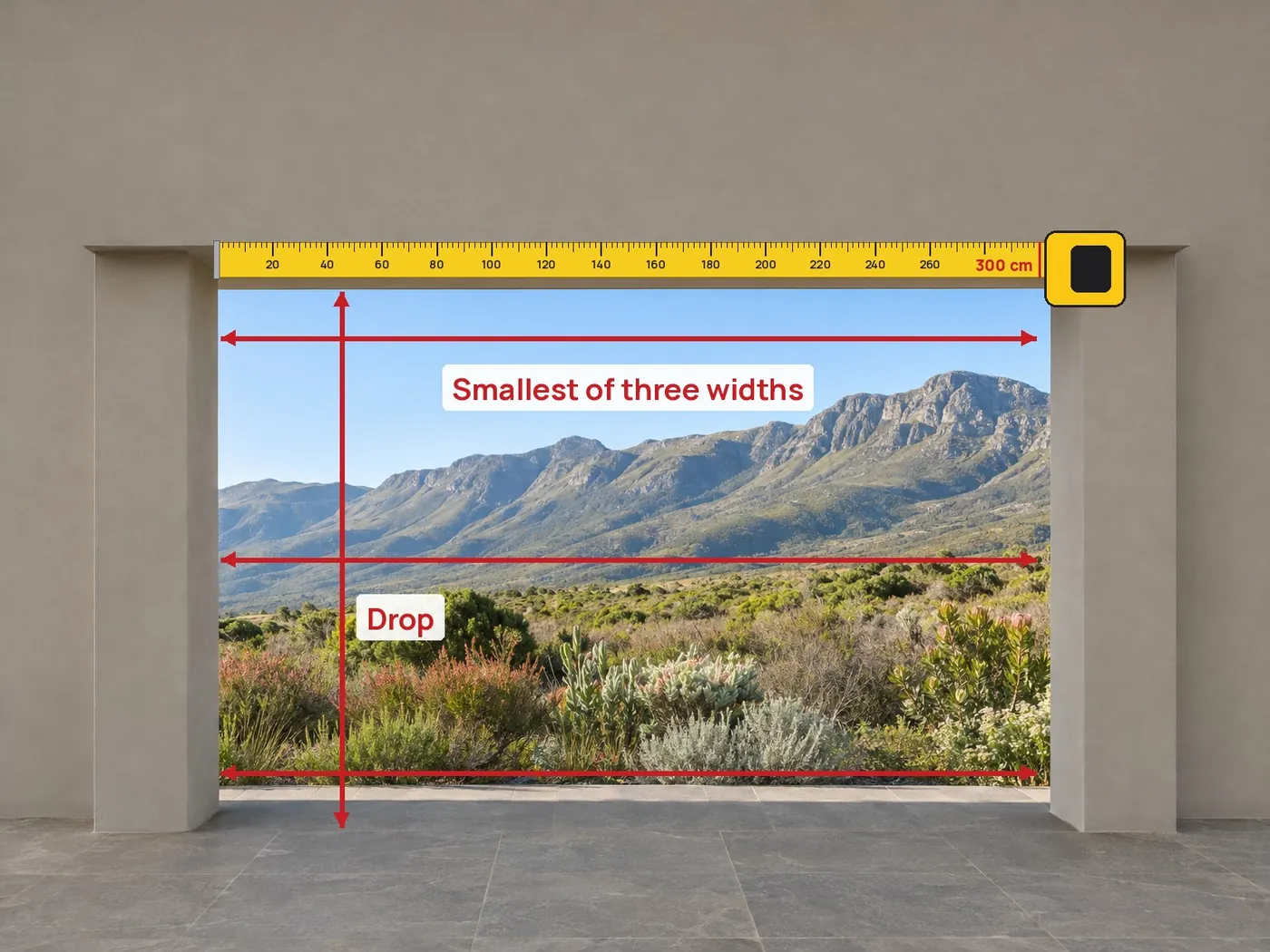
Measure the inside width at the top, middle and bottom. Then measure the drop on the left, centre and right.
- Give us the smallest of the three widths.
- Give us the longest of the three drops.
Do not deduct anything yourself. We make the blind 10 mm narrower than the width you enter (5 mm on Honeycomb).
Outside mount: measure over the opening
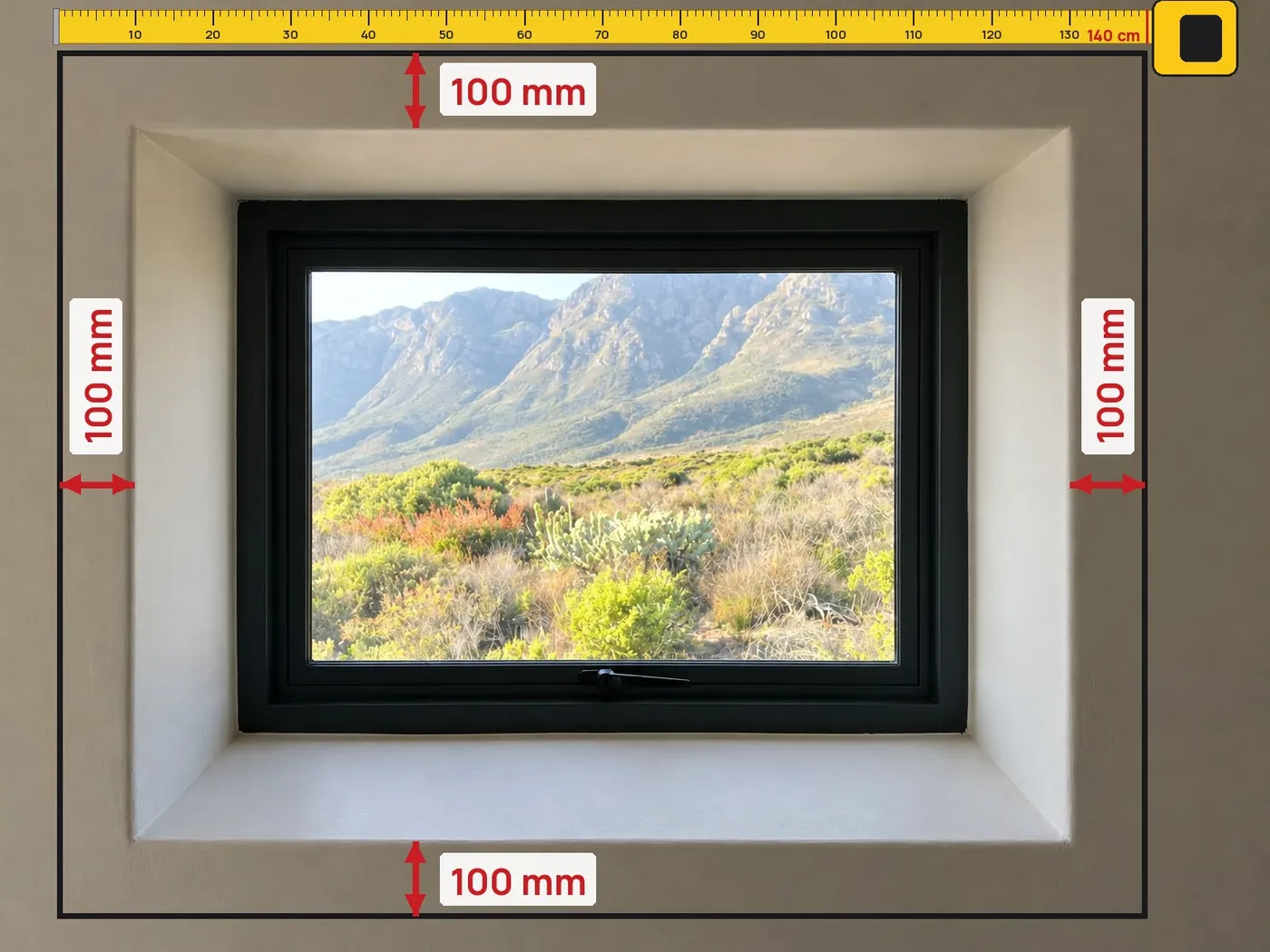
Measure the opening, then add 100 mm on each side (Vertical Blinds 150 mm) and 100 mm above and below. We make the blind to the exact size you give us, with no deduction.
- Width: +100 mm each side (Vertical Blinds +150 mm)
- Drop: +100 mm above and below
Doors: measure inside the opening or over it
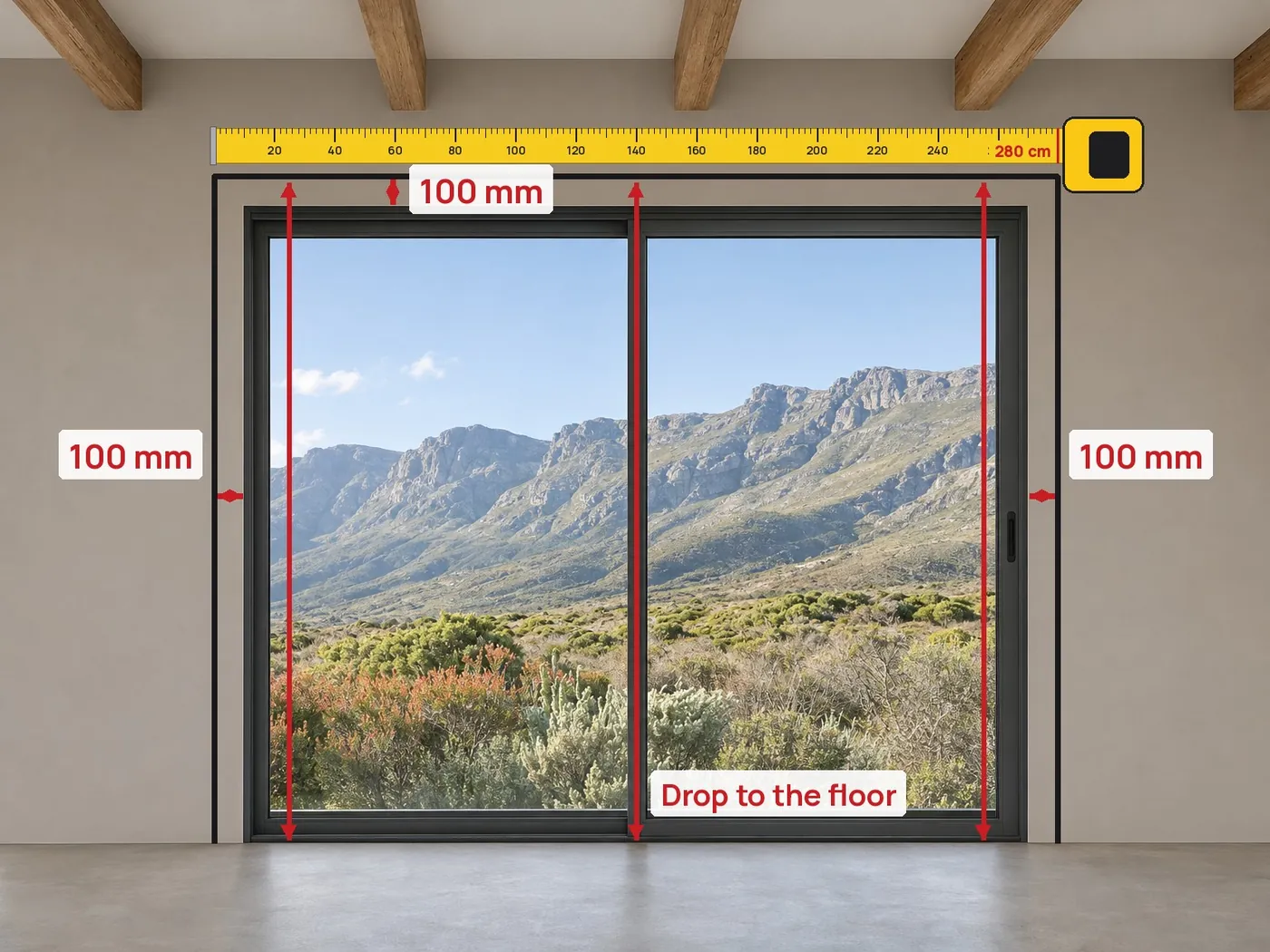
Vertical Blinds, Vertishades, Roller Blinds and Venetian Blinds fit inside a door opening or on the wall over it. Measure the height to the floor on the left, centre and right, and give us the longest.
- Inside the opening: also give us the smallest of three widths. We take 10 mm off the width.
- Over the opening: add 100 mm on each side (Vertical Blinds 150 mm) and 100 mm above the door, then measure from that line to the floor.
No-Drill Blinds are for windows only, not doors.
Outdoor Blinds: measure between the posts or over the opening
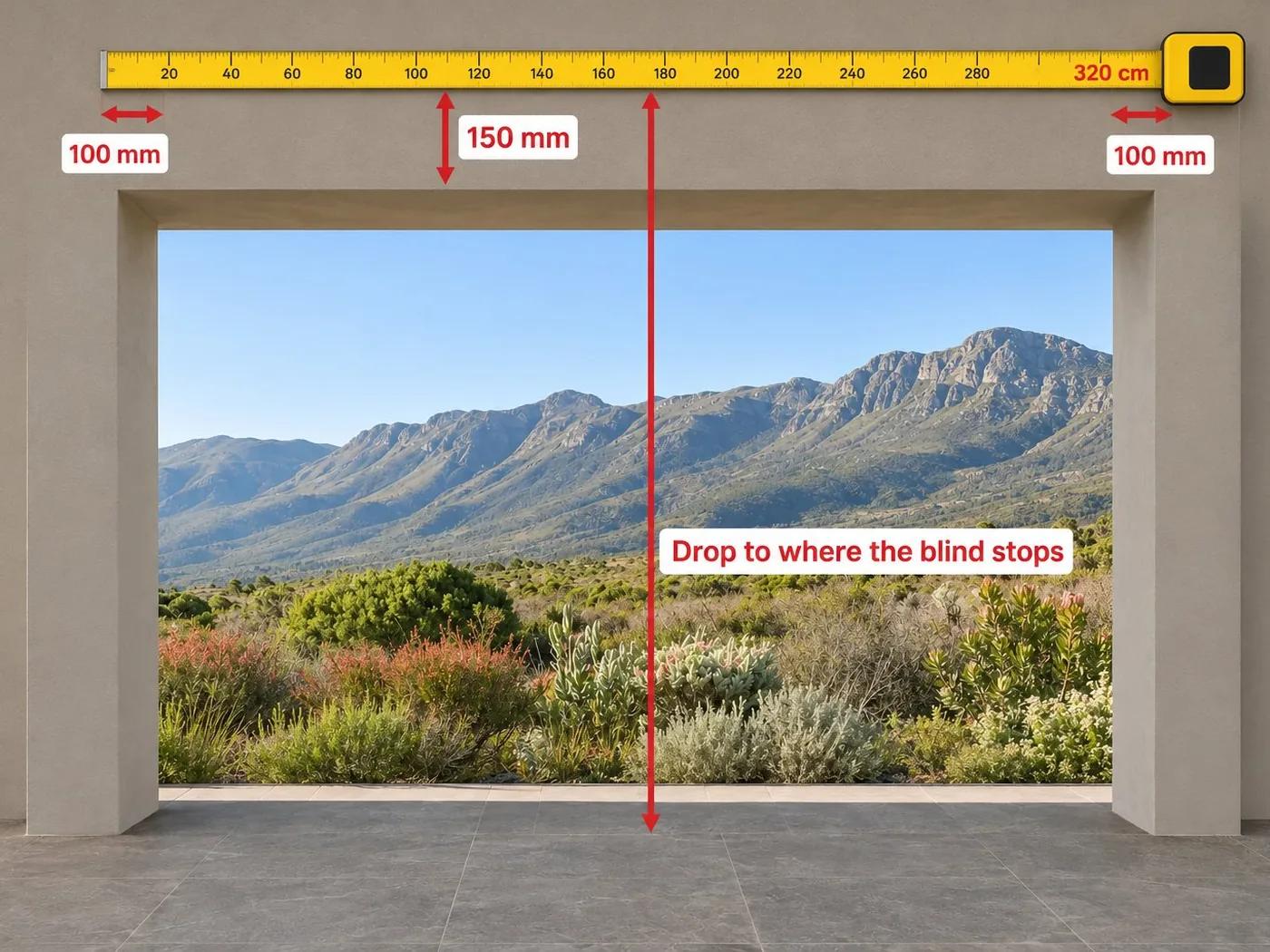
Outdoor Blinds follow their own rules, and indoor deductions do not apply. Enter the raw opening size; Custom Blinds applies every deduction.
- Outside mount (most popular): the opening width plus 100 mm each side. Measure the drop from 150 mm above the top of the opening to where the blind should stop. No deduction.
- Inside mount: the clear gap between the pillars or posts, measured in three places. Give us the smallest. Sheer, PVC and canvas use a gearbox and crank handle, so we take 80 mm off the width. Outdoor Bamboo Blinds have no deduction.
- Brackets: they need 150 mm of solid surface to fix into.
Sheer screen, PVC and canvas go up to 4500 mm wide and 4000 mm drop. Measure each bay on its own and order one blind per bay.
Watch: how to measure for blinds
Blind measuring questions
What is the best way to measure for blinds?
Use a steel tape and work in millimetres. For an inside mount, give us the smallest of three widths and the longest of three drops. For an outside mount, add 100 mm on each side (Vertical Blinds 150 mm) and 100 mm above and below.
What is the best way to measure a sliding door for blinds?
Measure the height to the floor in three places and give us the longest. Inside the opening, also give us the smallest of three widths. Over the opening, add 100 mm on each side and above (Vertical Blinds, 150 mm each side).
Should I deduct anything myself?
No. We take 10 mm off the width of an inside mount (5 mm on Honeycomb). An outside mount is made to the exact size you give us.
What if my measurements are wrong?
Custom Blinds covers every order with the Custom Fit Guarantee. If the measurements supplied were wrong, the blind travels back at your cost: too big is cut down free and returned, too small is remade at a reduced price. If the error is ours, every cost is ours, carriage included. Claim within 48 hours of delivery.
What is the best way to measure for Outdoor Blinds?
For an outside mount, add 100 mm each side and measure the drop from 150 mm above the opening. Between the posts, give us the smallest of three widths; we take 80 mm off Sheer screen, PVC and canvas. Indoor deductions do not apply.
Got your measurements?
Our team checks every order before it is made.